![]() |
| Roasted Steelhead Trout with Krautsalat |
![]() |
| Thinly Sliced Cabbage |
![]() |
| Kneaded and Dressed Krautsalat |
![]() |
| Roasted Steelhead Trout with Krautsalat |
![]() |
| Thinly Sliced Cabbage |
![]() |
| Kneaded and Dressed Krautsalat |
Man, the restaurant life really sapped my enthusiasm for cooking! My love for the kitchen, even to this day, has not recovered and I retired from the business five and a half years ago. I used to think nothing of spending joyful hours in the kitchen, but now there are days when I can barely be bothered to go back in the kitchen for two minutes to throw together a ham sandwich.
![]() |
| Kitchen Mojo: Sweet Potato Cakes, Pork Tenderloin, Cole Slaw, Chipotle Honey |
Though many vegetables are now available 365 days a year, thanks to a worldwide supply chain, old habits die hard with me. I try to use ingredients only in season, though I have relented a bit from this imperative in recent years. Back in the restaurant days, as a seasonal restaurant supplied by local farmers, we were limited in winter to storage vegetables from the previous growing season, our farmers bringing us only the tiniest amount of fresh produce from their expensive-to-heat greenhouses.
Winter therefore meant sweet potatoes, bushels and bushels of sweet potatoes. Out of necessity, we had to find creative ways to use them so as not to bore ourselves or customers. Fortunately, the sweet potato is as equally useful as a regular potato and therefore lends itself to a myriad of preparations: boiled, mashed, baked, chips, fries, grated for latkes, and even hashed.
Exercising all my creativity, at one point during my restaurant career, I hit upon a sweet potato hash that quickly became a customer favorite when accompanying our Berkshire x Ossabaw pork, wild boar, Moulard duck, or any of the venison that would come and go on the menu throughout the course of the winter: red deer, white tail, caribou, or elk.
The hash at the restaurant would have started in a vast sauté pan with cubes of our slab bacon, or house-cured pancetta if we were between slabs of bacon, cooked just enough to release a bit of fat. Into the sauté pan would go diced onion and cubes of raw sweet potato. Like any hash, it would stay on the flame until the bacon was rendered, the onions browned, and the sweet potato cooked all the way through.
I have never been one to like sweet food (I'm that guy who does not eat dessert) and I have always frowned on sweet sweet potato preparations. Properly cured sweet potatoes have enough natural sweetness on their own that they really don't need any added sugar, except perhaps if they are being served as a dessert course. But I do make a slight exception for my sweet potato hash.
Just as the hash is cooked is where the sweetness comes in, though not via added sugar (at least not raw sugar). At this point, we'd add dried sweetened cranberries (or cherries) and then flambé the whole shebang with a good slug of Bourbon. Ann is not a fan of the sweet woody and vanilla notes that the Bourbon imparts nor has she ever been a fan of fruit in savory dishes. But this hash ticks my boxes: creative, savory, smoky, and oh so tasty. For more on the hash technique see here and here.
I have finally got enough distance from the restaurant and its sea of winter sweet potatoes to want to prepare sweet potatoes again at home. So, to accompany a roast pork tenderloin, I made this hash again, omitting the bacon to keep the dish a bit healthier. In spite of Ann not being a big fan, every once in a while, I make a dish because I like it. My usual MO is to only cook the things that I know that Ann loves. Mea culpa.
I actually cooked two tenderloins and put the second one in the fridge along with a small amount of leftover hash, the perfect starting point for a leftover-based dish the next evening. But how to change it up so that it would be different enough from the night before? I didn't have enough hash left to serve one person, let alone two, so I thought about ways to stretch it. And it occurred to me that if I roasted a sweet potato, mashed it, and incorporated the leftover hash into the mash, I could make sweet potato cakes.
I find myself using rolled oats instead of bread crumbs or panko to bind things these days: meatloaf, meatballs, potato cakes, and so forth. The results are fantastic and to my mind, at least, the complex carbs in rolled oats are a healthier option than the more simple bread carbs. Although I put a little panko on the surface of the sweet potato cakes to yield a nice crust, I bound the cakes with oats.
![]() |
| Sweet Potato Cakes, Bound with Rolled Oats |
We end up eating a fair amount of steelhead trout and salmon, to the point where I am looking for ways to cook it other than on the grill or in a steel pan. I remember years ago at the restaurant, sometimes I would brine and roast fish and that's what I decided to do in this case. Brining gives fish a silky, sexy texture and this piece of steelhead was amazingly moist and delicious.
![]() |
| Brined Roasted Steelhead with Fennel-Orange Slaw |
![]() |
| Brining Steelhead |
I wrote recently on dry rubs and this post is a continuation of that. Fish tacos are a staple of our diet, being delicious, easy to make, and if done properly, pretty healthy. While a lot of restaurants and taco trucks deep fry their fish for tacos, at home, I prefer to either bake or sauté the fish, after giving the fish a bit of a spice rub. This way they're both tasty and healthy.
The fish we use most often for tacos is decent enough inexpensive rockfish, of which there are a dozen or more species just off our coast here in Oregon. Don't confuse it with Striped Bass which is known as rockfish all through the mid-Atlantic. At other times, we may use Pacific cod.
Our rockfish here is mild and as fish go, edible enough, but not outstandingly flavorful, so I don't mind giving it a good spice rub to give it a flavor boost. If I had access to and could afford more sought after species, I wouldn't be giving them a spice rub and I wouldn't be serving them as tacos.
![]() |
| Fish Tacos with Slaw, Cilantro, and Roasted Garlic-Chipotle Salsa |
![]() |
| Fish Taco Rub |
![]() |
| Fish Ready for Oven |
![]() |
| Tender Juicy Fish Ready to Make Tacos |
June 17, 2023: This post contains an updated recipe for my butt rub. The new recipe yields about four cups of rub, enough for a few pork shoulders. It has a slightly different and better flavor than my original recipe.
I have created a lot of dry rubs in my life and professional career. The impetus to use dry rubs came early on when I frequented a barbecue joint where the smoked chicken was of another planet. I memorized the flavors of the rub on that sinful chicken (I have that kind of flavor-centric mind in that I am blessed to be able to taste a dish and then reproduce it) and carried them with me for many years until I had the ability to smoke first chicken and then turkey for myself.
From that base rub, I have branched out many ways. We made all our own spice mixes at the restaurant. One that stands out was our all-purpose pork and chicken rub, which we always called Butt Rub. Now I see somebody has copyrighted that term. Another is our Cajun rub which we called Magic Dust. Again, I see somebody copyrighted that term. I could have beat them to it!
We made a lot of other spice mixes including garam masala and ras el hanout. And at one point, I had a consulting gig with a food manufacturer to create pastrami and other rubs. That was a lot of fun playing with spices. But in this post, let's talk basics of roasting rubbed chicken and then look at a rub for it.
![]() |
| Dry-Rubbed Chicken, Ready for the Oven |
![]() |
| Roasted Chicken, Rice, and Cole Slaw |
Until recently, I did not have a recipe per se for my pork and chicken rub. When we were making rubs for the restaurant, I would have scalable recipes for the cooks to follow, such as 3 parts salt, 2 parts cayenne, and 1 part ground thyme. Now at home, I just wing the mix, so there is some variation between batches, which is perfectly OK for me and my home cooking.
The key to a good chicken or pork rub is to find a balance between spice, salt, and sweet, with enough complexity to be interesting. Spice is provided by paprika, smoked paprika, cayenne, black pepper, and mustard. Sweet comes from sugar, allspice, nutmeg, coriander, and fennel. Complexity comes from basil, oregano, and garlic. Although many recipes call for brown sugar, I prefer granulated white sugar because it is less moist and the rub runs freely rather than clumping and becoming pasty.
I don't use very many pre-ground spices which is why the recipe below calls for whole spices. Ground spices go off in flavor much faster than whole spices. I highly recommend the Waring Professional Spice Grinder, if you grind a lot of spices. If you don't, you will never recoup the $300 price tag. There are lots of inexpensive grinders that will work although they won't be able to grind the whole batch of spices below in 15 seconds!
The following will yield about four cups of the rub.
Pre-ground spices:
1 cup sweet paprika
3/4 cup granulated sugar
1/2 cup granulated garlic
3/8 cup Morton's Kosher salt1/4 cup smoked paprika1/8 cup coarsely ground black pepper2 tablespoons ground cayenne pepper
Spices to be ground:
1/4 cup whole allspice berries1 whole nutmeg1/8 cup brown or yellow mustard seeds1/8 cup cumin seeds1/8 cup coriander seeds1/8 cup fennel seeds, ground1/8 cup dried basil1/8 cup dried oregano
Place all of the pre-ground spices in a bowl large enough to hold a quart of spice rub. Then grind all of the whole spices (and the basil and oregano leaves) in a spice grinder until smooth and add to the bowl. Mix well.
After mixing, I sample a bit of the mix and adjust it to my liking. Needs more salt, add it. Not spicy enough for you? Add more cayenne. And so forth. Just be careful with the sugar: if you are grilling over direct flame, the sugar quickly goes to caramel and then burns. Some char is delicious; a lot can ruin a perfectly good meal.
Take this as a base recipe and see what you can do.
It's been a very long time since I made cole slaw. This is most likely because it is something that I made or handled every day at the restaurant. We always served a big pile of tangy slaw with our exceedingly rich crab cakes, as a foil to the fat and as a palate cleanser. More importantly, making slaw daily let us use whatever vegetables our farmers were bringing to us, no matter the season. It always seemed important to give our loyal farmers a market for their fruits and vegetables.
![]() |
| Cole Slaw |
It's best to make your slaw early in the day to give the dressing time to wilt the vegetables a bit before dinner. Though it is delicious right away, it gets better with age, to a point. It helps to turn a new batch of slaw every couple of hours to redistribute the dressing. Although you can slice your vegetables with a food processor, I always use a knife. It takes work, but the texture is better and you can work on your knife skills at the same time.
While cole slaw derives from words meaning cabbage salad and while cabbage is the principal component, you should not hesitate to be creative with your slaws. Any fruit or vegetable that is firm enough to slice and that is edible raw is fair game. I made this one from white cabbage, cucumber, carrot, radishes, and an apple.
Here is a non-exhaustive list of the things that I remember having put in slaw, each one I made being a function of the season and what was on hand.
Cabbage: white, red, napa, Savoy, brussels sprouts
Firm Leafy Greens: cavolo nero (Tuscan black kale), kale, collards, gai lan (Chinese broccoli), bok choy, choy sum, endive, chicory, Swiss chard
Other Brassicas: broccoli, cauliflower, broccolini, stem broccoli, rapini, stem mustard. Broccoli and cauliflower stems are great in slaw, peeled and thinly sliced.
Root Vegetables: turnips, rutabagas, kohlrabi, carrots, horseradish, radishes (red, breakfast, daikon, Korean), hard winter radishes (watermelon, black, etc), sunchokes, crosnes, beets, celery root, sweet potatoes, parsnips
Other: asparagus, cucumber, cucamelon, fennel, celery, green beans, pole beans, shaved corn, peas, sugar snaps, snow peas, rhubarb, artichoke hearts and stems
Herbs: lovage, parsley, cilantro, chives
Squashes: summer squash, winter squash (butternut slices really well)
Peppers: I don't like the flavor of raw peppers in my slaw, but many people do. They are all fair game, spicy and mild alike.
Onions: yellow, white, red, torpedo, green, cipollini, leeks, green garlic, chives. Onions can dominate, so I only use little bits for complexity, typically red and/or leeks.
Hard Fruits: apples, pears, Asian pears
How off the wall can you get? I once did a slaw including napa cabbage, beets, fennel, and orange segments that I served with fennel pollen-dusted grilled trout. I tend, when using beets, to keep them sliced separately from the rest of the slaw and mix them in just at service, to keep them from turning the slaw entirely beet red, unless I am aiming for a red slaw for presentation purposes.
The things that I avoid for slaw form a much shorter list: tender greens (salad greens, mustards, spinach, etc.) that will not stand up to the dressing, really starchy things that are not great raw (potatoes, eggplant), watery fruits (tomatoes, berries, melons), peppers (out of personal preference, though a bit of habanero in a slaw can be awesome), okra, mushrooms, and shell beans.
![]() |
| Grilled Halibut Tacos with Curtido and Cilantro |
![]() |
| Deptford Pink |
![]() |
| Crown Vetch |
![]() |
| Ox-Eye Daisy |
![]() |
| Sulfur Cinquefoil |
![]() |
| Golden Hawkweed |
![]() |
| St. John's Wort |
![]() |
| Vinho Verde on the Patio |
![]() |
| My Girl! |
![]() |
| Male Cardinal Below the Feeder |
![]() |
| Mockingbird Guarding the Native Honeysuckle Berries |
![]() |
| Ribs, Ready to Cook |
![]() |
| Cabbage and Chinese Broccoli Slaw |
![]() |
| Pigging Out! |
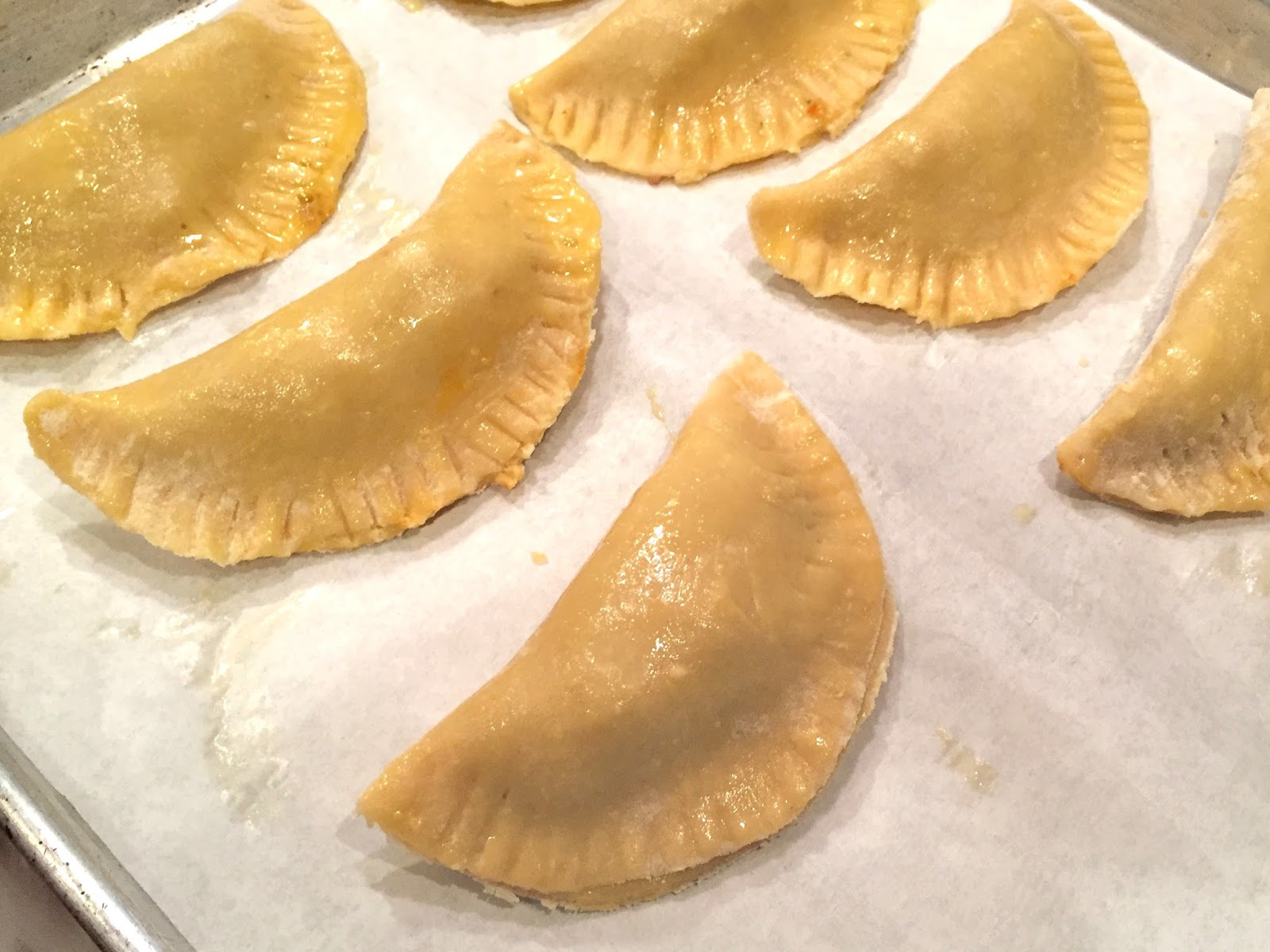
| Empanadas, Curtido, Salsa Verde |
| Ready to Roll |
| Picadillo Dulce of Pork |
| Ann's Handiwork |
| Curtido Fresco |
| Salsa Verde |
| Pulled Pork Taco with Salsa Verde, Cotija, and Spicy Curtido |
| Tomatoes with Cotija and Cilantro |
| Brunch: Bloody Marys and Frittata |
| Pork Shoulder Before Roasting |
| My Infamous Farmers Market Slaw |
| Looks Like the Vultures Got This Pork Shoulder |
| Chief Vulture in Charge |
| A Delightful Bottle |
I love tortillas. It wasn't always that way. I am a child of the early 1960s. Then, on the East Coast, our food was influenced by two th...